( 01 )
Monachopsis
( project type )
academic/personal
( course )
VIS 160 A+B
( media )
Bamboo stakes, Ribbons, Red ink, Raspberry Pi, PIR sensor, Speaker
( year )
2026
WHAT
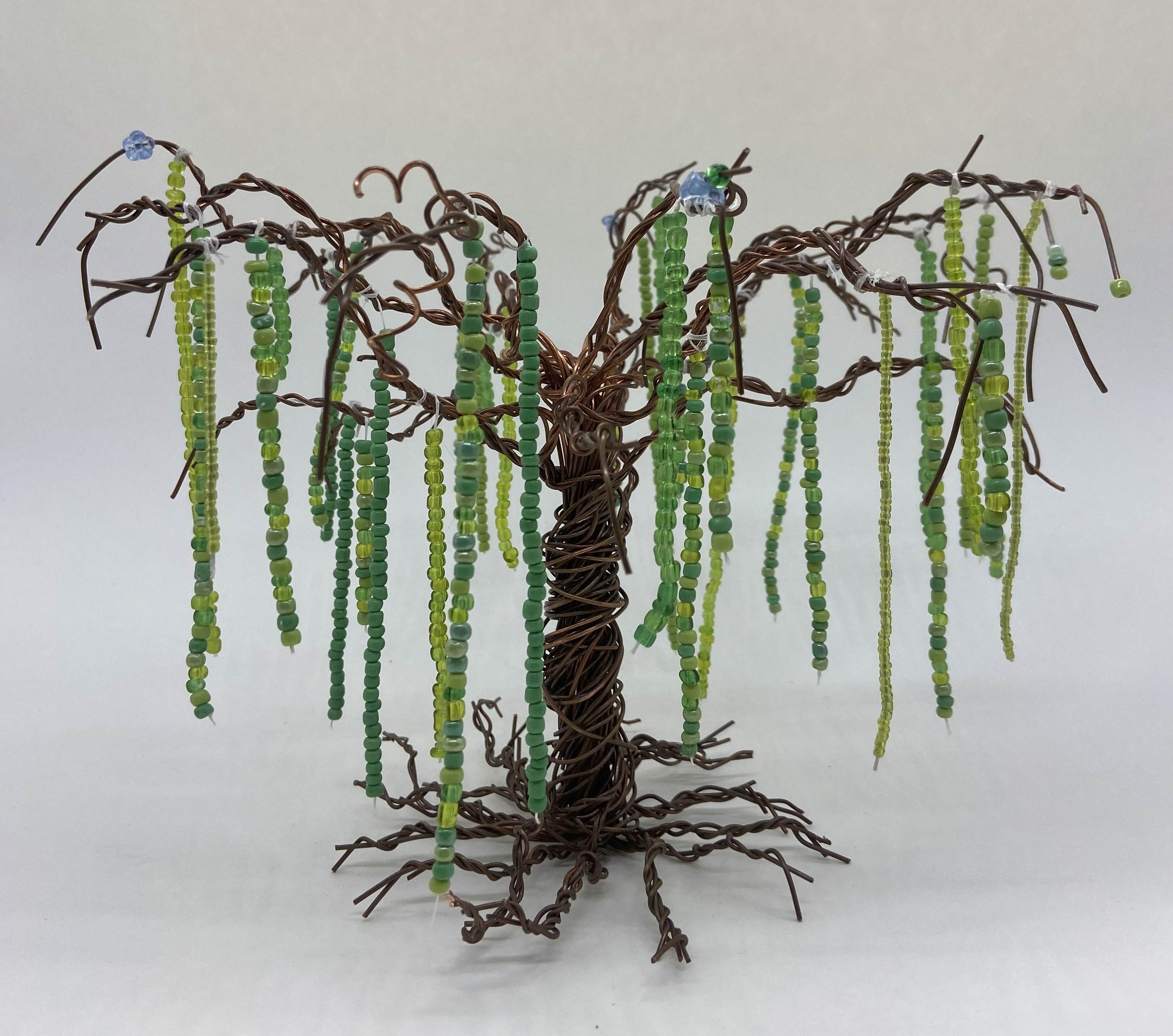
Monachopsis is defined as the subtle but persistent feeling of being out of place, dreaming of life in your natural habitat, a place where you’d be fluidly, brilliantly, effortlessly at home. This project reflects on core memories of my childhood in Iran, hiding under a Willow Tree with my dad and uncle when it rained. Chasing to find that comfort, that feeling of home, this interactive art piece aims to provide its audience with a moment of peace, serving as a home.
Willow trees are not often found in Southern California due to their high water demand and the drought-prone climate of the location. This project in itself serves to represent feeling out of place, and invite people to find a sense of belonging through interacting with it. Using a PIR sensor, the leaves of the willow tree will react, signifying that the emotions of the person are seen and recognized.
WHY
On a large campus like UC San Diego, but even in a larger context of San Diego, California, the United States, the diverse communities filled with different identities often provide rich knowledge, experiences, and advancements. Yet the origins of these identities are often left unaccounted for. Minority groups often face the daily expectations of fast-paced life, yet are left to wonder how to deal with the immense feeling of homesickness for something they cannot return to. For me, my home was more than a place, more than a country. It was the rich history of my ancestors, the calligraphy lessons and the traditional music, playing soccer at the dead end of my childhood home, eating ice cream that is supposed to look like a panda but is closer to blobs of color. My home is mothers who risk their lives protesting so that their daughters can have a chance to freely live, fathers who work in an economy earning salaries that barely cover their basic needs. My home is youth who wish to live life the way they see once in a while on their phones when the government isn’t restricting the internet, youth who die on the streets because it is better than living under a regime that hates its people. How does one return to this home? On a large campus like UC San Diego, I am just one body who feels homesick, and thousands more too. How do we continue on?
HOW
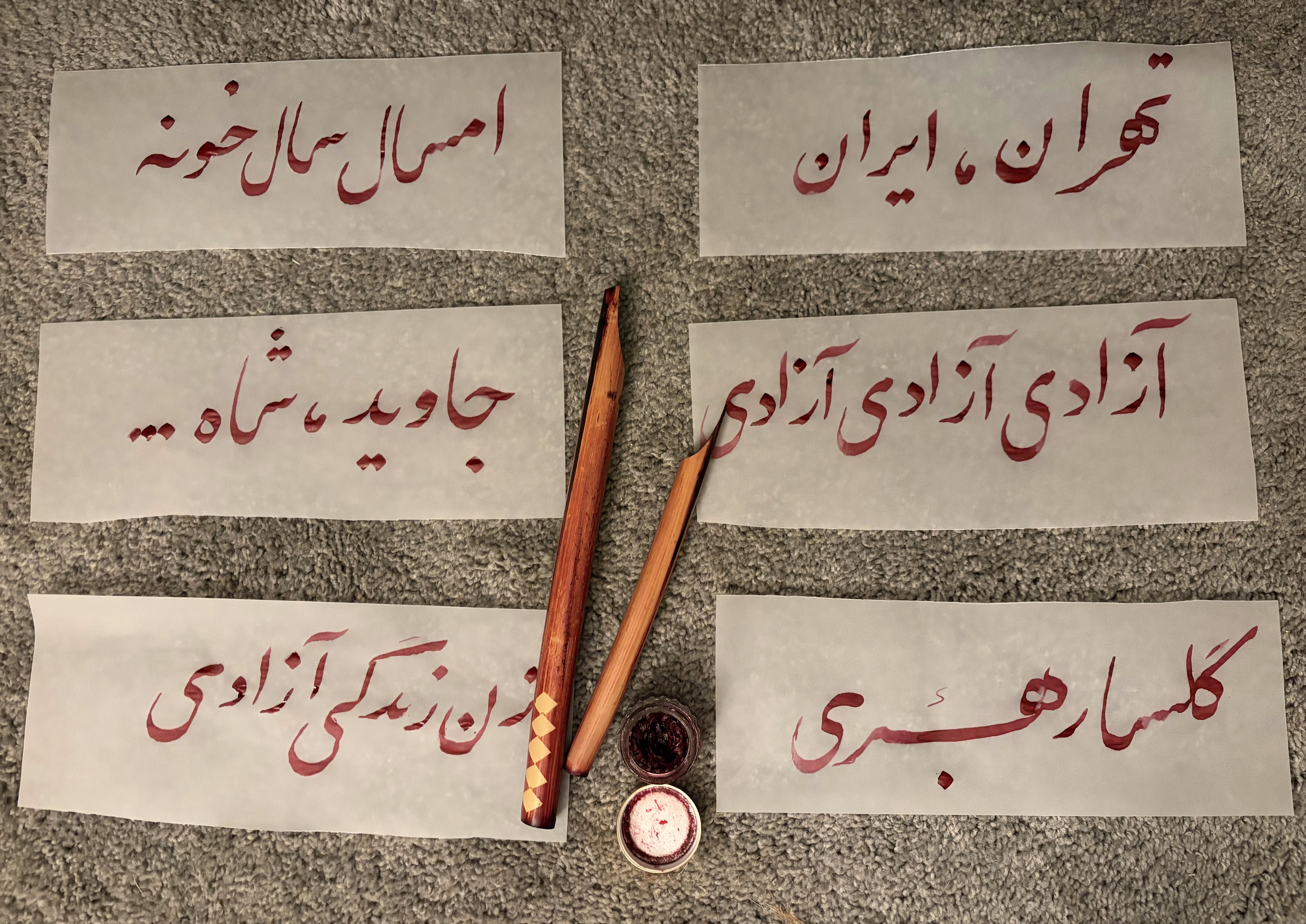
For the physical structure, the goal is to use as much organic materials as possible, with color palettes that replicate that of nature and trees. For the trunk, I will utilize wooden planks that will support the branches and leaves of the structure. The branches will be made up of bamboo stakes held together by twine, and the leaves will be composed of different materials. These include ribbons, translucent paper with written calligraphy, beads, and acrylic sheets. Additionally, the trunk may be covered with chiffon fabric to create a more welcoming look.
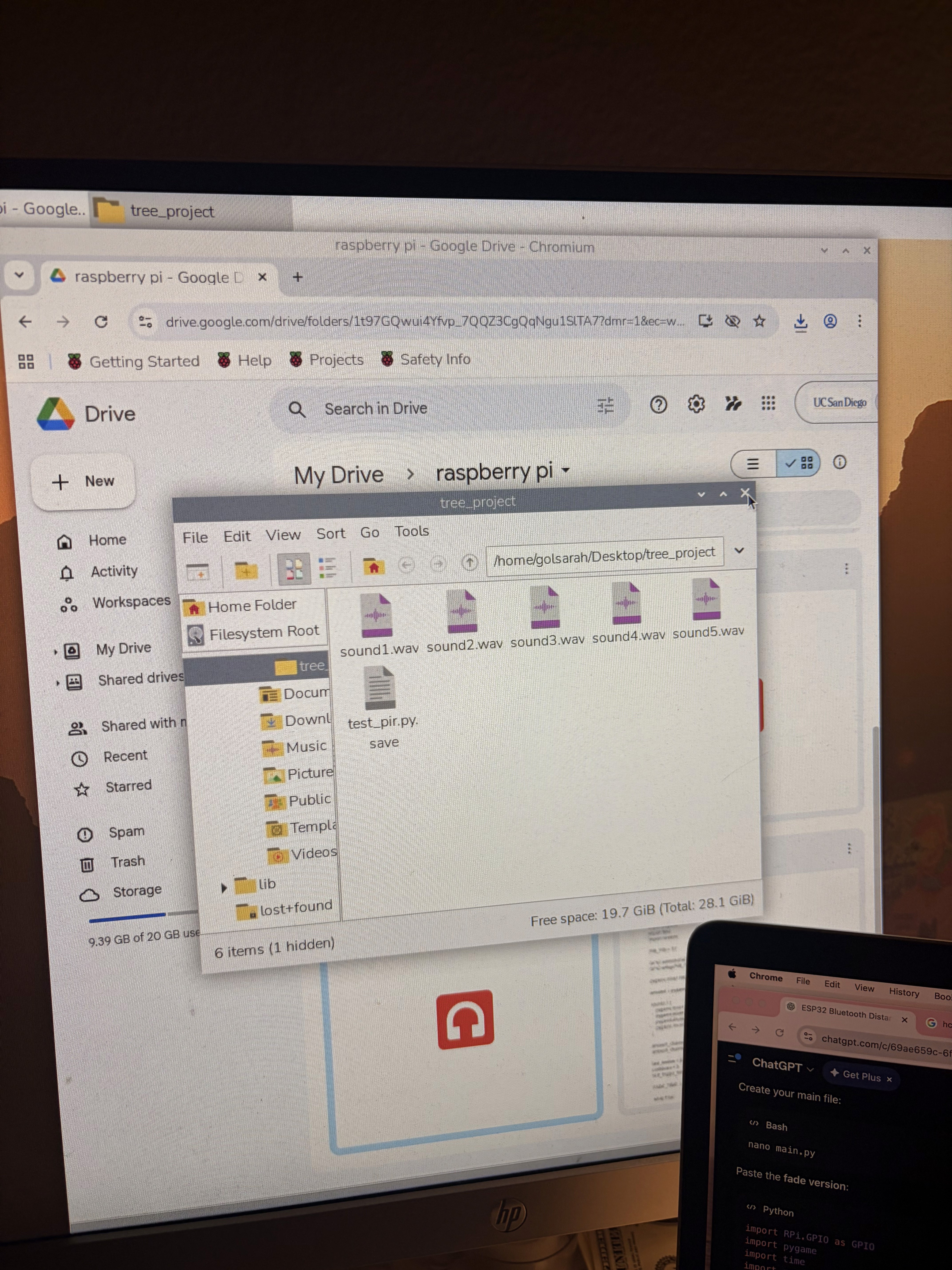
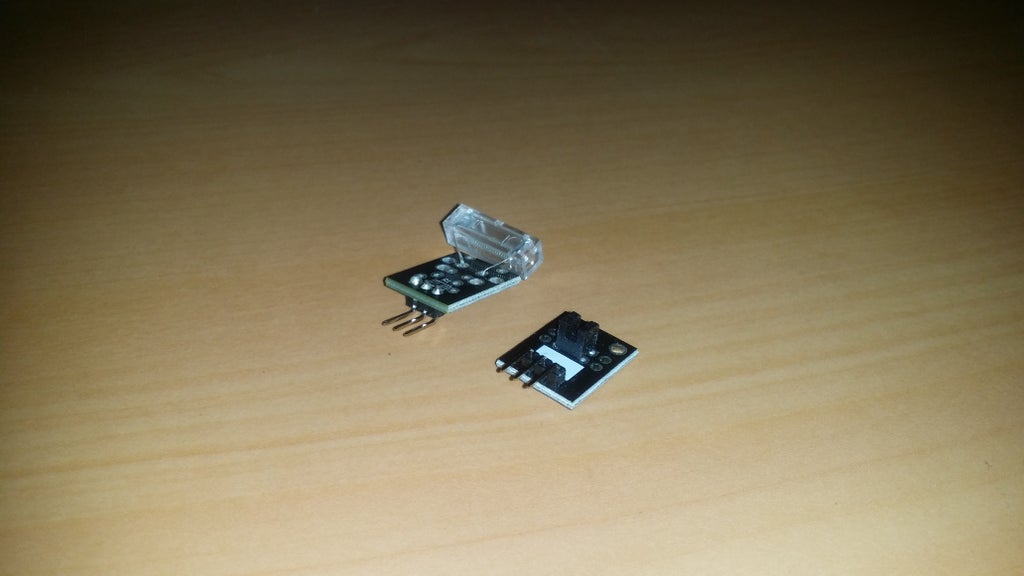
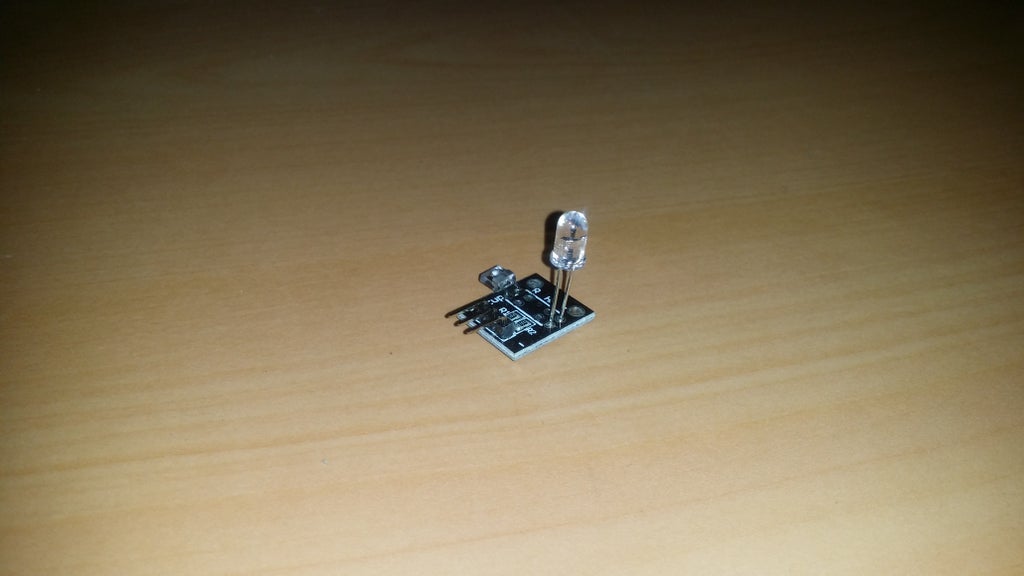
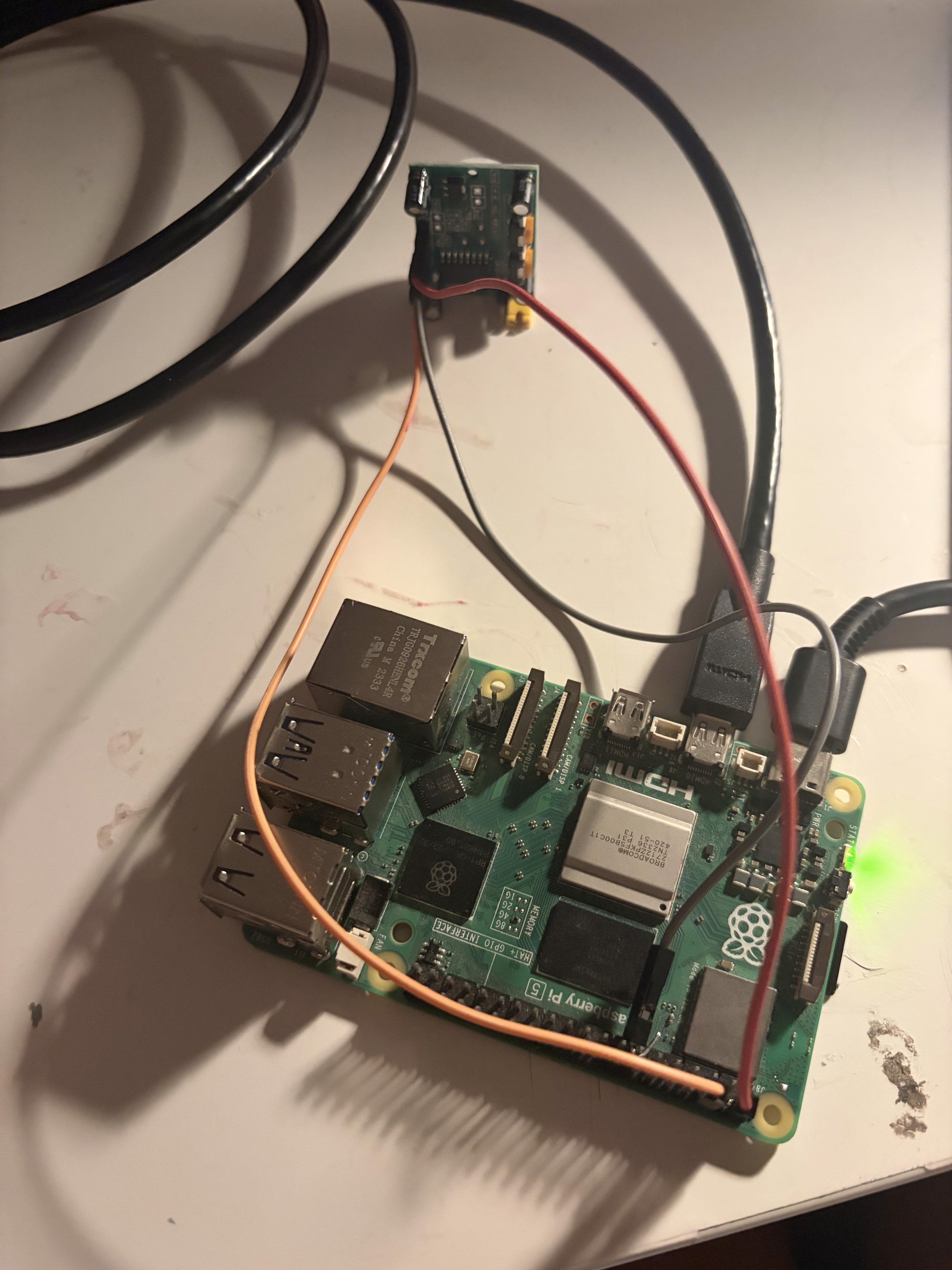
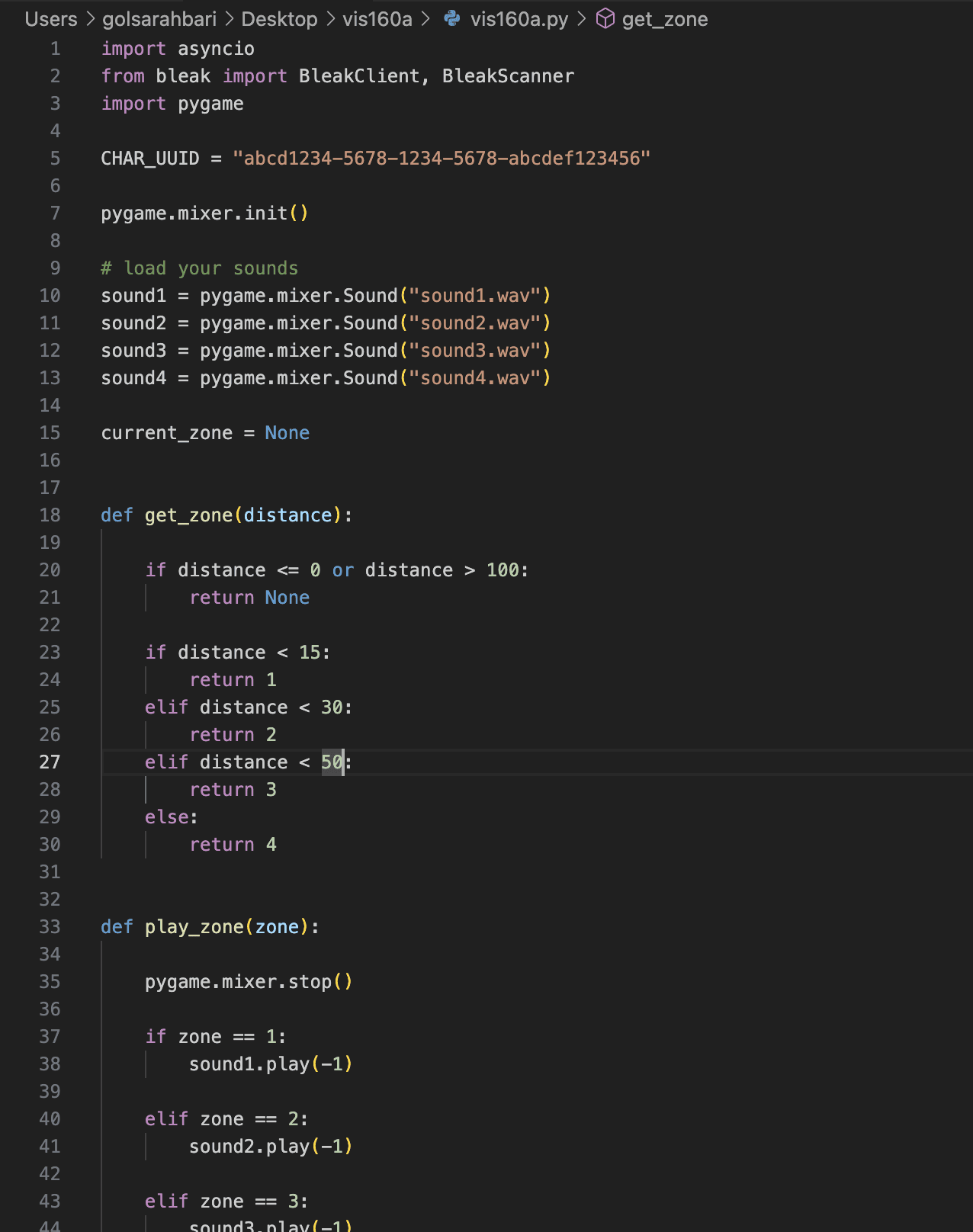
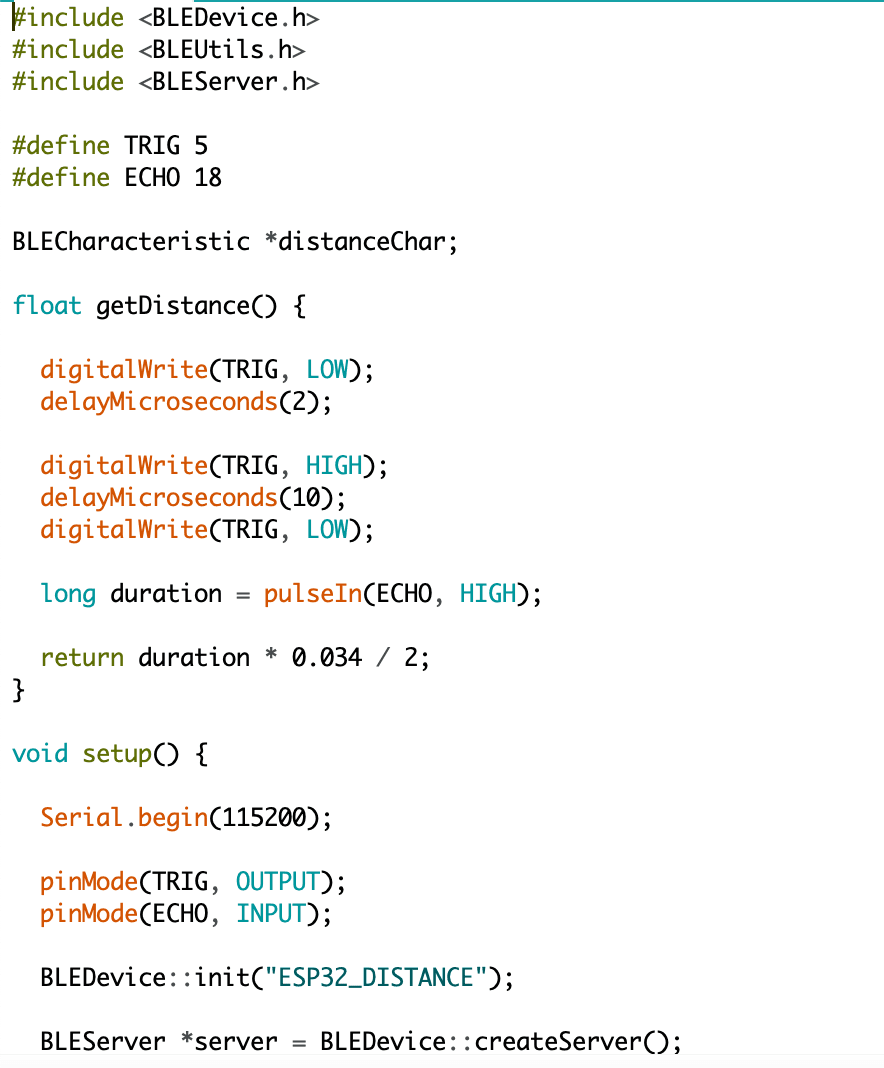
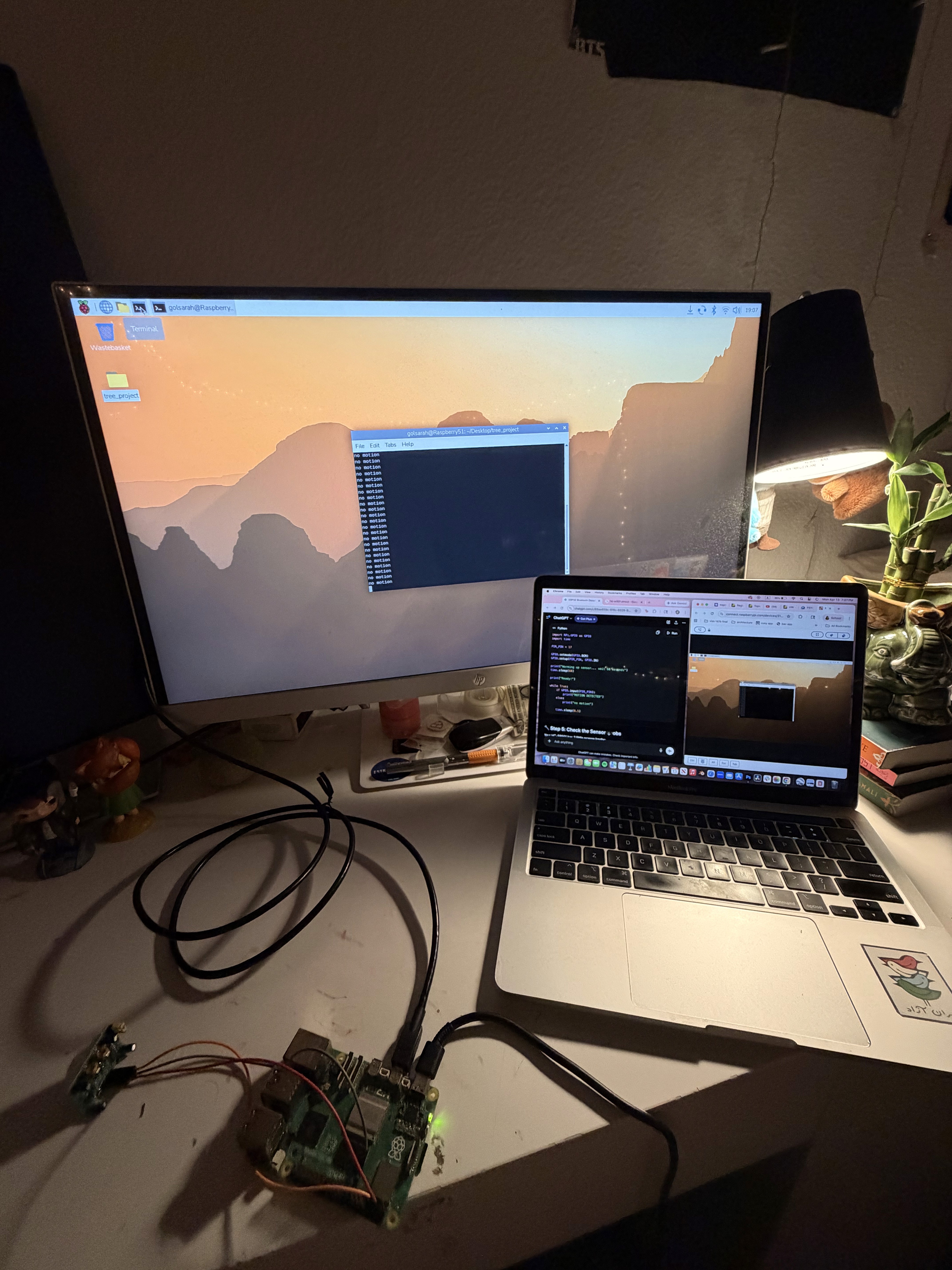
The programming aspect of this project will also take place during the second quarter, following a demonstration utilizing an ultrasonic sensor connected to an ESP32 board that will later be replicated through a Raspberry Pi and infrared sensors. The sensor will be set up on the ground beneath the piece, so that as viewers approach the piece it can read their signal. For the programmatic portion of this project, I utilized the Python language and terminal within the Raspberry Pi. Connecting the PIR sensor and a speaker to the Raspberry PI, the program will run automatically once connected to a power source.
Winter 2026
WEEK 6
Finalize sketches of the final model, and select materials and size. Finalize website pages and add spaces for progress.
WEEK 7
Select sensors to work with and outputs for the sensors. Begin programming with one sensor and one output.
WEEK 8
Work on second and third sensors and debug any problems.
WEEK 9
Attach sensors to outputs on "Weeping Willow" project to demo to class.
WEEK 10
Debug and prepare to finalize coding for project with smaller prototype. Ask others to interact and monitor emotions through experience and have volunteers write down their thoughts.
Spring 2026
WEEK 1
Visit Makerspace in Design and Innovation building to inquire about materials. Purchase all remaining materials from Home Depot.
WEEKs 2-4
Check in on progress and set up Raspberry Pi on monitor. Switch from full tree to branches that attach to tree outside the gallery.
WEEK 5
Program infrared sensor on Raspberry Pi and work out bugs. Create more calligraphy parts for the leaves.
WEEKs 6-7
Work on branches and the physical structure of the piece. Purchase more materials for the leaves of the tree. Rework Raspberry Pi with updated SD card.
WEEK 8
Solder wires to infrared sensor and Raspberry Pi, connect to the branches. Program autostart feature for Raspberry Pi.
WEEK 9
Work with woodshop on assembly of piece to the tree and placement of the Raspberry Pi, Powerbank, and Speaker.
WEEK 10
Finalize any changes like adding more leaves, changing placement, working out bugs.
FINALS WEEK
Present work in the final exhibition!